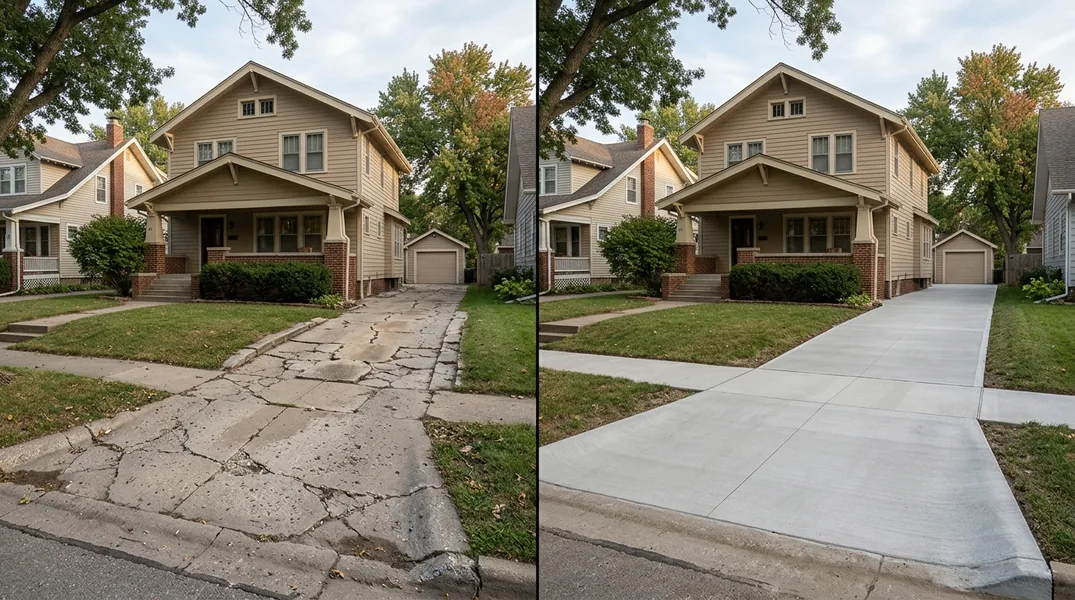
Why Timing Matters for Concrete Pouring in Kansas
When you're planning a Concrete Driveways project or any other concrete work in Topeka, the time of year you choose can make a significant difference in the quality and longevity of your finished product. Concrete is not just about mixing materials and pouring them into a form. It's a chemical process that requires specific conditions to cure properly and reach its full strength. Temperature, humidity, and moisture levels all play critical roles in how well your concrete sets and performs over time.
Many homeowners don't realize that pouring concrete during the wrong season can lead to cracking, uneven curing, scaling, and premature deterioration. In Topeka, where we experience four distinct seasons with significant temperature swings, understanding the concrete pouring season is essential for protecting your investment. Whether you're installing a new driveway, patio, or considering Stamped & Decorative Concrete, the timing of your project can determine whether it lasts 20 years or requires costly Concrete Repair & Resurfacing within a few years.
Spring: The Ideal Season for Concrete Work
Spring, particularly mid-April through May, is widely considered the best time to pour concrete in Kansas. During these months, temperatures in Topeka typically range between 50 and 70 degrees Fahrenheit, which is ideal for concrete curing. The moderate temperatures allow the concrete to cure at a steady, controlled pace. This gradual curing process helps prevent the rapid moisture loss that can cause surface cracking and ensures the concrete develops proper strength throughout its depth.
Spring also offers the advantage of lower humidity levels compared to summer months, though moisture in the air is still present to support the hydration process that concrete requires. The soil has warmed up enough that frost heave is no longer a concern, but the intense heat of summer hasn't yet arrived. If you're planning to pour Concrete Patios or driveways, spring gives you the perfect window to complete your project before the heat and humidity of summer arrive. The extended daylight hours also mean your contractor has plenty of time to finish the work and properly finish the surface before temperatures drop in the evening.
Summer Challenges: Why Concrete Curing in Hot, Humid Weather Requires Extra Care
Summer presents significant challenges for concrete pouring in Kansas. When temperatures climb into the 80s and 90s, and humidity levels rise, concrete cures too quickly on the surface while the interior remains soft. This rapid surface curing traps moisture inside the concrete, leading to internal stress and cracking. The intense heat also accelerates the evaporation of water from the concrete, which is essential for the hydration process that gives concrete its strength. Concrete curing during hot, humid summer conditions often results in weaker concrete that is more susceptible to cracking, spalling, and premature failure.
If you absolutely must pour concrete during summer, your contractor needs to take special precautions. These include keeping the concrete wet for an extended curing period, using shade cloth to slow surface drying, and potentially using concrete additives to slow the set time. These measures add time and expense to your project. Additionally, summer is the busy season for most concrete contractors, which means longer wait times and potentially higher pricing. If you're considering a summer project, contact Topeka Concrete Contractors for a free estimate at (785) 329-0148 to discuss whether your project can be scheduled for a better time of year.
Fall: A Secondary Window for Concrete Projects
Fall, particularly September and early October, offers a secondary window for concrete pouring in Kansas. As temperatures cool from summer highs and begin to moderate, conditions become more favorable for concrete curing. The humidity levels typically drop during fall, and the cooler nighttime temperatures help prevent the rapid surface curing that causes problems in summer. If you missed the spring window or had scheduling conflicts, fall can be an excellent alternative for your concrete project.
However, fall does come with a caveat. As you move further into October and November, nighttime temperatures begin to drop below 50 degrees Fahrenheit. Concrete needs to cure in temperatures above 50 degrees to develop proper strength. If temperatures drop too low before the concrete has achieved sufficient strength, the hydration process slows dramatically, and the concrete may not reach full strength. This is why late fall is generally not recommended for concrete work in Kansas. The window for fall concrete pouring is narrower than spring, so if you're considering a fall project, it's important to plan ahead and get on your contractor's schedule early.
Winter and Early Spring: Why Cold Weather Concrete Pouring Is Risky
Winter is the worst time to pour concrete in Kansas, and for good reason. When temperatures drop below 50 degrees Fahrenheit, the concrete curing process essentially stops. The chemical reaction that hardens concrete (hydration) requires warmth to proceed efficiently. Cold concrete sets very slowly, if at all, and may never develop the strength it should. Additionally, if moisture in the concrete freezes before the concrete has cured, it can cause freeze-thaw damage that leads to scaling, cracking, and deterioration.
Some contractors will attempt winter concrete pouring using special additives, heated enclosures, or other methods to maintain adequate temperatures, but these approaches are expensive and still risky. The concrete industry generally advises against pouring concrete when temperatures are below 50 degrees, and this guidance is especially important in Kansas where winter temperatures regularly dip well below freezing. If you're thinking about a winter project, wait until spring arrives. The few months of delay will result in a much stronger, more durable concrete surface that will serve you well for decades. If you have questions about whether your project timeline is feasible, reach out to Topeka Concrete Contractors at (785) 329-0148 to discuss your options.
Planning Your Concrete Project: Tips for Choosing the Right Time
To ensure your concrete project succeeds, start planning at least two to three months before your desired pour date. If you want a spring project, begin contacting contractors in January or February. This gives you time to get a free estimate, finalize your design, and secure your contractor's availability before the busy spring season fills up. For fall projects, reach out in July or August. Avoid waiting until the last minute, as reputable contractors book up quickly during ideal concrete pouring weather.
Consider what type of project you're undertaking. Concrete Driveways and patios have slightly different requirements than decorative work. If you're planning Stamped & Decorative Concrete, spring is especially important because the contractor needs ideal conditions to create detailed finishes. Also think about your local weather patterns. In areas around Lawrence and Manhattan, conditions are similar to Topeka, so the same seasonal guidelines apply. Finally, discuss your project timeline with your contractor. They can advise you on whether your chosen season is appropriate and what precautions, if any, may be necessary for your specific situation.
Looking for a professional concrete contractor in Topeka? Topeka Concrete Contractors responds fast for all your concrete needs.
Get a Free QuoteOur services: Concrete Driveways · Concrete Patios · Stamped & Decorative Concrete