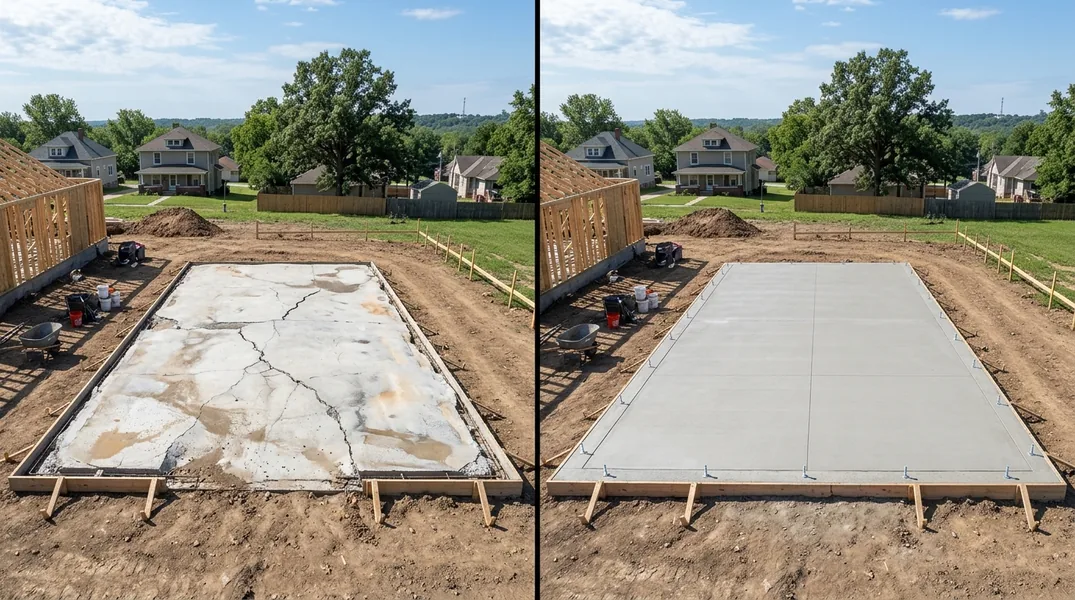
Understanding New Construction Concrete Slabs in Topeka
Purchasing a new construction home in Topeka is an exciting milestone, but it comes with responsibilities that many first-time buyers overlook. One of the most critical components of any new home is its foundation, particularly the concrete slab that supports the entire structure. Unlike older homes where you can inspect decades of performance history, new construction puts the burden on you to verify that the builder has followed proper installation standards and that the slab meets all local building codes.
The concrete slab serves as the foundation for your home's structural integrity, insulation, and long-term durability. In Topeka, where weather patterns include freeze-thaw cycles and variable moisture levels, a properly constructed slab becomes even more critical. Understanding what to look for during your final walkthrough and inspection period can save you thousands of dollars in repairs down the road and provide peace of mind as you settle into your new home.
What to Inspect Before Closing on Your New Build
Your final walkthrough is not just a formality, it's your legal opportunity to document the condition of the property before you take ownership. When it comes to the concrete slab and foundation, you should bring a qualified inspector who understands construction standards. Look for visible cracks in the concrete, particularly those wider than one-eighth of an inch, as these can indicate settling issues or improper curing. Check for uneven surfaces by walking across different areas of the foundation and noting any slopes or dips that shouldn't be there.
Pay close attention to areas around doors, windows, and where the slab meets the foundation walls. Water infiltration is one of the most common problems with new construction slabs, and signs of moisture damage or staining should be documented immediately. Ask the builder for documentation showing when the concrete was poured, what air temperature and weather conditions existed during curing, and what finishing techniques were used. This information becomes invaluable if issues arise later. Don't hesitate to request a professional Concrete Repair & Resurfacing assessment if you have any concerns about the quality of the work.
New Home Foundation Warranty: What's Actually Covered
Every builder should provide a new home foundation warranty that outlines what defects are covered and for how long. Most standard builder warranties cover structural defects for one year from the date of closing, though some builders offer extended coverage. It's essential that you understand the specific terms of your warranty before you sign closing documents. Read the fine print carefully, as many warranties exclude cosmetic cracks, minor settling, or damage caused by soil conditions, drainage issues, or environmental factors beyond the builder's control.
The warranty should clearly define what constitutes a covered defect versus normal settlement or wear. Some warranties only cover defects that affect the structural integrity of the home, not surface-level issues. Ask your builder to explain exactly what they will repair at no cost and what situations would require you to pay for repairs. Request a copy of the warranty in writing and keep it with your home's important documents. If you discover foundation issues within the warranty period, document everything with photographs and written descriptions, then notify the builder in writing immediately. Having this documentation protects your rights and ensures the builder takes your claim seriously.
Builder Foundation Inspection: Hiring an Independent Expert
While the builder may have their own inspectors, hiring an independent third-party professional for a builder foundation inspection is one of the wisest investments you can make. An independent inspector has no financial interest in approving the work and can provide an unbiased assessment of whether the concrete slab meets industry standards and local building codes. They'll use specialized equipment to measure concrete thickness, assess proper slope for drainage, test for moisture barriers, and identify any installation defects that might not be visible to the untrained eye.
The cost of an independent inspection typically ranges from $300 to $600, which is minimal compared to the potential expense of foundation repairs. The inspector will provide a detailed report documenting any issues, their severity, and recommended remediation. This report becomes your proof if you need to make a warranty claim or pursue legal action against the builder. Many homebuyers in Topeka find that having this professional documentation gives them confidence in their investment and protects them if problems emerge after the builder's warranty expires.
Common New Construction Concrete Slab Problems to Watch For
Even with quality builders, concrete slabs sometimes develop issues that should be addressed before they worsen. One common problem is inadequate slope, which prevents water from draining away from the foundation. This can lead to standing water, mold growth, and eventually water intrusion into the basement or crawl space. Another frequent issue is cracking caused by improper curing, excessive reinforcement stress, or soil settlement. While some minor cracks are normal and don't indicate structural failure, larger or spreading cracks warrant professional evaluation.
Spalling, which is the flaking or chipping of the concrete surface, often results from freeze-thaw cycles combined with salt exposure or poor finishing techniques. In the Kansas climate, this is particularly relevant for homeowners in Topeka. Efflorescence, the white chalky residue that sometimes appears on concrete surfaces, indicates moisture movement through the slab and may suggest drainage problems. Finally, watch for uneven settling or heaving, which can create gaps between the foundation and framing or cause doors and windows to stick or misalign. If you notice any of these issues during your walkthrough, document them thoroughly and contact the builder immediately.
Next Steps: Protecting Your Investment After Closing
Once you've closed on your new construction home and addressed any immediate concerns with the builder, your responsibility for maintenance begins. Maintain proper drainage around the foundation by ensuring gutters direct water at least six feet away from the slab, grading slopes away from the house, and avoiding landscaping that traps moisture against the foundation. Monitor the concrete regularly for new cracks or changes in existing ones, and address any drainage issues promptly.
If problems develop after your builder's warranty expires, or if you need professional assessment of existing conditions, the team at Topeka Concrete Contractors is here to help. With years of experience serving homeowners throughout the region, we understand the unique challenges that Kansas weather and soil conditions present to concrete foundations. Whether you need evaluation, repair, or ongoing maintenance, we're committed to protecting your home's structural integrity. Contact us today at (785) 329-0148 or visit our website to schedule a free estimate for any foundation concerns. Your new home deserves the best care, and we're ready to provide it.
Looking for a professional concrete contractor in Topeka? Topeka Concrete Contractors responds fast for all your concrete needs.
Get a Free QuoteOur services: Concrete Driveways · Concrete Patios · Stamped & Decorative Concrete