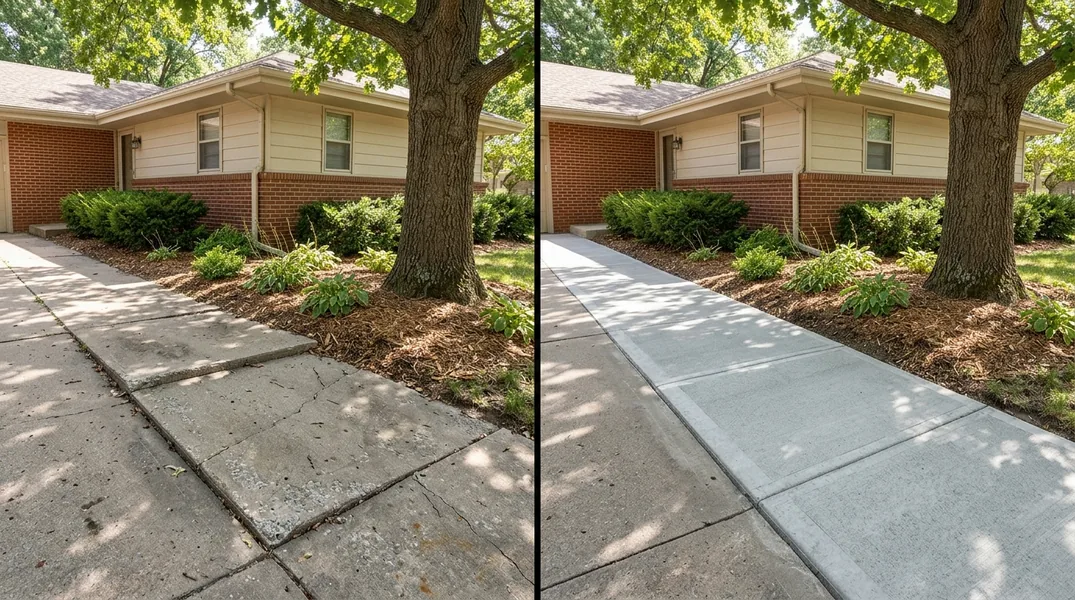
Understanding Topeka's Challenging Soil Conditions
If you own a home in Topeka, you're likely familiar with the region's unique climate and soil composition. The Kansas landscape, particularly in the Topeka area, sits atop expansive clay soils that behave very differently from sandy or rocky substrates found in other parts of the country. These clay deposits expand when they absorb moisture and contract when they dry out, creating significant pressure on anything built on top of them, including your Concrete Driveways.
This expansion and contraction cycle isn't a minor issue. Over time, the constant movement of the soil beneath your concrete creates stress that the material simply cannot accommodate indefinitely. Homeowners often notice this problem manifests as cracks, heaving, and uneven surfaces that seem to appear without warning. Understanding this geological reality is the first step toward protecting your concrete investment and knowing when professional intervention becomes necessary.
How Expansive Clay Causes Concrete Cracking
Expansive clay, also known as swelling clay, contains minerals like montmorillonite that attract and retain water molecules. When the soil beneath your concrete absorbs moisture from rain, melting snow, or irrigation, these clay particles swell, pushing upward with tremendous force. A single square foot of expansive clay can exert pressures exceeding 1,000 pounds per square inch. Your concrete, while strong in many respects, cannot withstand this kind of directional stress indefinitely.
The damage typically begins with small hairline cracks that seem harmless enough. However, these initial fractures allow water to penetrate deeper into the concrete and the soil below, accelerating the expansion cycle. Over months and years, these small cracks widen into larger fissures, and the concrete surface may develop a pattern of interconnected breaks that resemble dried mud. In severe cases, sections of concrete can lift several inches above the surrounding surface, creating trip hazards and making the affected area unusable. If you notice cracking on your driveway or patio, Concrete Repair & Resurfacing should be your next step before the problem worsens.
Freeze-Thaw Cycles and Winter Damage in Kansas
Topeka's winters introduce a second major threat to concrete surfaces: the freeze-thaw cycle. When temperatures drop below freezing, any water present in the concrete and surrounding soil freezes and expands. Water is one of the few substances that actually increases in volume when it freezes, expanding by approximately 9 percent. This expansion creates internal pressure within the concrete that can exceed its tensile strength, causing it to crack and spall (small chips and flakes breaking away from the surface).
The problem intensifies because this freeze-thaw cycle repeats multiple times throughout a Kansas winter. A day might warm above freezing, allowing water to penetrate cracks and the soil surface. That night, temperatures drop again, and the water freezes, expanding and widening those cracks further. After weeks of this repeated stress, concrete that appeared solid in autumn may show significant deterioration by spring. The damage is particularly severe when salt or de-icing chemicals are applied, as these substances lower the freezing point of water and accelerate the breakdown of the concrete's surface layer. Homeowners who neglect addressing minor cracks before winter often face expensive repair bills come spring.
The Combined Effect: Expansive Clay Plus Freeze-Thaw Damage
When expansive clay and freeze-thaw cycles work together, the damage accelerates dramatically. During spring and early summer in Topeka, melting snow and heavy rains saturate the soil, causing clay to expand and push against your concrete. Simultaneously, any cracks created during winter allow water to penetrate deeper. By the time fall arrives and the ground begins to dry, the concrete has already sustained significant structural stress. Then winter returns, and the freeze-thaw process begins anew on a surface that's already compromised.
This one-two punch explains why concrete in the Kansas region often deteriorates faster than in areas with either expansive soil or harsh winters, but not both. Homeowners who delay addressing early signs of damage find themselves facing increasingly expensive problems. A small crack that costs a few hundred dollars to repair today might require complete replacement of a section or the entire driveway within a few years if left untreated. The key to protecting your investment is recognizing these warning signs early and taking action before winter arrives or during the dry season when repairs are most effective.
Warning Signs Your Concrete Needs Professional Attention
Knowing what to look for can save you thousands of dollars in future repairs. The earliest warning sign is usually a pattern of fine cracks that appear without obvious impact or trauma. These cracks often run in multiple directions, creating a spider-web or map-like pattern on the surface. You might also notice that one section of your driveway or patio sits slightly higher or lower than adjacent areas, a condition called heaving or settling. If you can catch these issues when they're still minor, professional Concrete Repair & Resurfacing can often address them without requiring complete replacement.
Other warning signs include water pooling on the surface after rain (indicating uneven settling), visible gaps between the concrete and your home's foundation, or areas where the concrete has started to spall or chip away. If you've noticed any of these issues, don't wait for spring or summer to address them. Contact Topeka Concrete Contractors at (785) 329-0148 to schedule a free estimate. Our team can assess the underlying cause of the damage and recommend the most cost-effective solution for your specific situation.
Prevention and Long-Term Protection Strategies
While you cannot change Topeka's soil composition or climate, you can take steps to minimize damage to your concrete. Proper drainage is perhaps the most important factor. Ensure that water from gutters, downspouts, and surface runoff directs away from your concrete surfaces and the soil immediately surrounding them. Standing water and consistently moist soil accelerate clay expansion. Consider installing a sump pump or French drain system if your property is particularly prone to water accumulation.
When installing new concrete, whether for a driveway, patio, or other application, work with contractors who understand local soil conditions and specify appropriate base preparation and reinforcement. A properly prepared base with good drainage and appropriate concrete mix design can significantly extend the lifespan of your surfaces. Additionally, seal concrete surfaces to reduce water penetration, and avoid using salt-based de-icers in winter, opting instead for calcium chloride or other less damaging alternatives. If you're planning a new concrete project or need advice on protecting existing surfaces, Topeka Concrete Contractors can provide guidance tailored to your property's specific conditions. Call (785) 329-0148 or visit our website to learn more about our services and how we help homeowners throughout the region manage the challenges of Topeka's unique environment.
Looking for a professional concrete contractor in Topeka? Topeka Concrete Contractors responds fast for all your concrete needs.
Get a Free QuoteOur services: Concrete Driveways · Concrete Patios · Stamped & Decorative Concrete